
As a newbie author, we often find ourselves using cliché’s without
realizing it—because they are comfortable. Familiar. Understandable. Relatable.
The thing is, though our first reaction is to use them, do we understand them?
In last month’s post, I used “have a bee in my bonnet,” “jumping on
bandwagons,” “everyone and their brother,” and “rest on your laurels.” What do
those mean?
To have “a bee in one’s
bonnet” signifies a level of agitation prompted by an obsession with an
idea. We still say it, even though most of us don’t wear bonnets at any time or
for any reason.
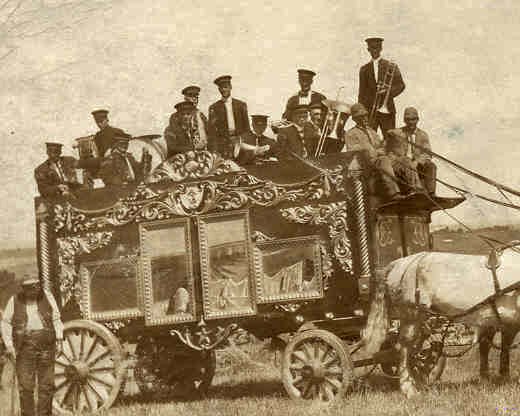
The word bandwagon was coined in the USA
“Everyone and their brother” is obvious: it means pretty much everybody. This
one is still relevant.
In ancient Greece
How about “once in a blue moon”? This one is
really interesting:
When the Indonesian volcano Krakatoa exploded in 1883, its dust
turned sunsets green and the moon blue all around the world for the best part of
two years. Then in 1927, the Indian monsoons were late arriving and the
extra-long dry season blew up enough dust for a blue moon. And moons in
northeastern North America turned blue in 1951 when huge forest fires in
western Canada
So, once in a blue moon refers to anything that rarely happens. At
least that example was most recently within the last seventy years!
“Beat a dead horse” is pretty obvious as well: it’s a reference to something that is entirely pointless and cannot
result in any productive end. God forbid anyone actually beats any
animal – dead or alive. Yet we still say it.
“Take
the cake” means either to carry off
the prize, or is used as an expression of disbelief. However, calling
something “a cake walk” indicates an
absurdly or surprisingly easy task. Both refer to an event at a country fair
where people try to win somebody’s home-baked cake in a musical chairs type
scenario. No, I’ve never seen it done.
“Let the cat out of the
bag”
is problematic; there is no clear answer as to where
this saying originated or why. Most likely it’s connected with the similarity
between secrets and cats — once either is let out, they go wherever they want. Besides
that, it does evoke a pretty amusing image, no matter what culture it’s used
in!

Ever call “shotgun” when getting into a car? Do you know why? Because the
guard holding the shotgun always sat beside the stagecoach driver, protecting
what or who was inside.
 So what becoming-archaic expressions are
we using without thinking about them? How about “hang up” a phone from back in the day? That was fun when we were
annoyed. It’s not nearly as satisfying to touch the END icon on a phone’s
screen, no matter how hard you poke it…
So what becoming-archaic expressions are
we using without thinking about them? How about “hang up” a phone from back in the day? That was fun when we were
annoyed. It’s not nearly as satisfying to touch the END icon on a phone’s
screen, no matter how hard you poke it…
“Typing” comes from typewriters, which placed
one letter at a time on a sheet of paper, much like setting type in a print
shop. We still say we are typing – but we do it on a keyboard. We never say we
have to “keyboard” a document, though technically that would be more accurate.
We aren’t even using paper as we keyboard!
I challenge you all to see if you can
catch yourself using an expression which, if you think about it, hardly makes
sense anymore. Post them here – I’d love to see what you come up with!


